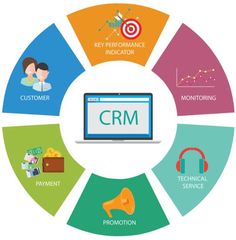
Predictive analytics has emerged as one of the most transformative technologies in modern enterprise environments, and in 2025, its integration into Enterprise Resource Planning (ERP) systems is reshaping how organizations operate. No longer limited to static data reporting, ERP platforms equipped with predictive capabilities now empower businesses to anticipate trends, optimize resources, and make smarter decisions faster than ever before.
What Is Predictive Analytics in ERP?
Predictive analytics uses historical data, machine learning models, and statistical algorithms to forecast future outcomes. When combined with ERP systems—which store vast amounts of real-time business data across finance, supply chain, sales, HR, and operations—predictive analytics offers powerful insights that were previously unreachable.
This integration turns ERP from a reactive record-keeping tool into a proactive decision-making engine.
Why Predictive Analytics Matters in 2025
In 2025, businesses are facing intense competition, rapidly shifting markets, and global uncertainties. As a result, the ability to predict and prepare has become a strategic necessity. Predictive analytics provides several game-changing advantages:
1. Smarter Demand Forecasting
With AI-driven algorithms, ERP systems can accurately forecast product demand by analyzing sales history, seasonal trends, and external market data. This helps organizations prevent overstocking, reduce stockouts, and improve production planning.
2. Enhanced Financial Planning
Predictive analytics supports financial teams by forecasting cash flow, revenue, expenses, and profit margins. Companies can better prepare for fluctuations in market conditions and plan with greater confidence.
3. Supply Chain Optimization
Modern ERP platforms use predictive models to identify potential supply chain risks, such as shipping delays, supplier shortages, or cost increases. This enables businesses to act proactively, reducing disruptions and ensuring smooth operations.
4. Personalized Customer Insights
Through predictive modeling, ERP systems can analyze customer behavior and identify buying patterns. Companies can use these insights to develop tailored marketing strategies, improve customer engagement, and increase retention.
5. Improved Maintenance and Asset Management
Predictive maintenance is a major breakthrough for manufacturing and asset-heavy industries. ERP systems can monitor equipment performance in real time and predict failures before they occur, reducing downtime and repair costs.
6. Better Decision-Making Across Departments
ERP platforms enriched with predictive analytics provide executives with real-time dashboards and data-driven recommendations. This supports faster, more informed strategic decisions.
Challenges in Implementing Predictive Analytics in ERP
Despite its benefits, companies may face challenges such as:
Data quality issues
Skill gaps in analytics and data science
Integration complexity across legacy systems
High initial investment
However, businesses that overcome these obstacles stand to gain a significant competitive advantage.
The Future: ERP Becomes a Predictive Intelligence Hub
By 2025 and beyond, predictive analytics will no longer be a luxury feature—it will be a core component of modern ERP solutions. As AI technology continues to evolve, ERP systems will become even more intuitive, autonomous, and deeply integrated with business processes.
Organizations that adopt predictive analytics early will be better positioned to navigate market uncertainties, streamline operations, and drive long-term growth.