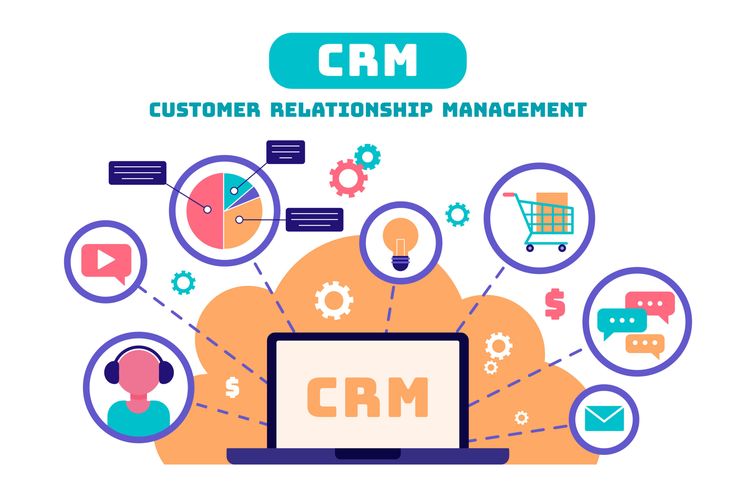
Implementing an Enterprise Resource Planning (ERP) system in 2025 requires a modern, agile, and data-driven approach. As organizations increasingly rely on automation, cloud technology, and artificial intelligence, the success of an ERP project depends on strategic planning and smart execution. Below are the key ERP implementation strategies that consistently drive success in 2025.
1. Prioritize Cloud-First Deployment
In 2025, most leading companies adopt a cloud-first approach for ERP. Cloud-based ERP systems offer faster deployment, lower upfront costs, automatic updates, and greater scalability.
A cloud-first strategy allows businesses to adapt quickly to market changes without worrying about hardware or complex infrastructure maintenance.
2. Create a Clear, Data-Driven ERP Roadmap
A successful ERP project begins with a well-defined roadmap. This includes:
Identifying business needs
Outlining key processes
Setting measurable KPIs
Defining a realistic timeline
Using data analytics tools helps organizations decide which modules to prioritize and how to allocate resources effectively.
3. Ensure Strong Executive Sponsorship
Leadership involvement remains one of the most important success factors. In 2025, executives play a more active role by:
Setting clear strategic goals
Helping resolve cross-department conflicts
Allocating sufficient budget and resources
Communicating the importance of ERP across the organization
A committed leadership team accelerates adoption and reduces resistance to change.
4. Embrace Agile Implementation Methods
Traditional “big bang” approaches are becoming less common. Instead, companies use agile, iterative implementation methods that deliver results quickly.
This strategy focuses on rolling out ERP modules in phases, gathering feedback, and continuously refining the system.
Benefits include:
Faster time-to-value
Reduced risk
Easier user adoption
5. Focus on Change Management and Training
ERP success depends heavily on people, not just technology. Effective change management in 2025 includes:
Early communication about project goals
Hands-on training tailored to user roles
Creating super-users or ERP champions
Providing ongoing support after go-live
Organizations that invest in training experience higher adoption rates and fewer operational issues.
6. Integrate AI and Automation Tools
Modern ERP platforms offer AI-powered features such as predictive analytics, automated workflows, and intelligent reporting. Companies in 2025 improve their implementation by integrating AI from the beginning to:
Automate repetitive tasks
Improve forecasting accuracy
Enhance decision-making
Reduce manual errors
This results in more efficient, data-driven operations.
7. Conduct Thorough Data Migration and Cleansing
Data remains the heart of any ERP system. A successful ERP implementation includes:
Cleaning outdated or duplicate information
Standardizing data formats
Defining data ownership responsibilities
Testing migrated data multiple times
High-quality data ensures smooth operations and accurate reporting.
8. Perform Rigorous Testing Before Go-Live
Testing in 2025 is more automated and comprehensive. It includes:
Functional testing
User acceptance testing (UAT)
Performance and stress testing
Integration testing with third-party systems
Thorough testing reduces the risk of downtime, errors, or productivity loss after launch.
9. Choose Scalable, Modular ERP Solutions
Businesses must plan for growth. ERP systems in 2025 are designed to be modular, allowing organizations to add features as needed.
Choosing a scalable solution ensures long-term value and avoids costly replacements in the future.
10. Schedule Continuous Optimization Post-Implementation
ERP implementation doesn’t end at go-live. Successful companies continue to:
Monitor system performance
Gather user feedback
Identify areas for improvement
Add new automation and integrations over time
This ensures the ERP system continues to support evolving business needs.
Conclusion
In 2025, the most effective ERP implementation strategies combine cloud technology, agile execution, strong leadership, and user-focused change management. Organizations that embrace these strategies not only achieve smoother ERP rollouts but also gain a powerful digital foundation that supports growth, innovation, and long-term competitiveness.